



As pets age, the relationship shifts in a quiet but meaningful way. They ask for less, and we find ourselves wanting to give more. The walks get shorter, the naps get longer, and the moments of stillness between you carry a different kind of weight.
Caring for a senior dog, generally one aged seven years or older (though larger breeds age faster), requires a little more attention and a lot more intention. It’s also one of the most rewarding seasons of life with an animal. Here’s how to make it as comfortable and joyful as possible.
Understanding the changes that come with age
Senior dogs often show gradual shifts in behavior and physical condition: less enthusiasm for activity, difficulty navigating stairs, stiffness after rest, or changes in appetite and sleep. These aren’t signs of a dog giving up. They’re signs of a body that needs a different kind of support.
Common age-related conditions include arthritis, kidney disease, diabetes, dental disease, and cognitive changes similar to dementia in humans. Many of these are manageable when caught early. Twice-yearly wellness visits are a reasonable benchmark for most senior dogs, compared to once yearly for younger animals.
The other change worth naming is behavioral. Senior dogs can become more anxious, more dependent on routine, or more sensitive to changes in the household. Some become clingier. Others pull away. Both are normal responses to a body that is working harder to feel okay.
Diet in the senior years
Older dogs typically need fewer calories but benefit from diets higher in fiber and tailored to support joint health, digestion, and organ function. Many veterinary brands offer senior-specific formulas worth considering.
That said, no article replaces a conversation with your vet. The right diet depends on your dog’s specific conditions, weight, and bloodwork. If your senior dog has been diagnosed with kidney disease, liver disease, or heart conditions, diet becomes even more critical and should be guided by a professional who knows their full picture.
Watch for changes in eating habits. A dog who skips meals occasionally is one thing. A dog who consistently refuses food or loses significant weight over a short period is communicating something worth investigating.
Keeping them moving gently
Exercise remains important even when energy levels drop. The goal shifts from vigorous activity to consistent, low-impact movement that maintains muscle mass and joint flexibility.
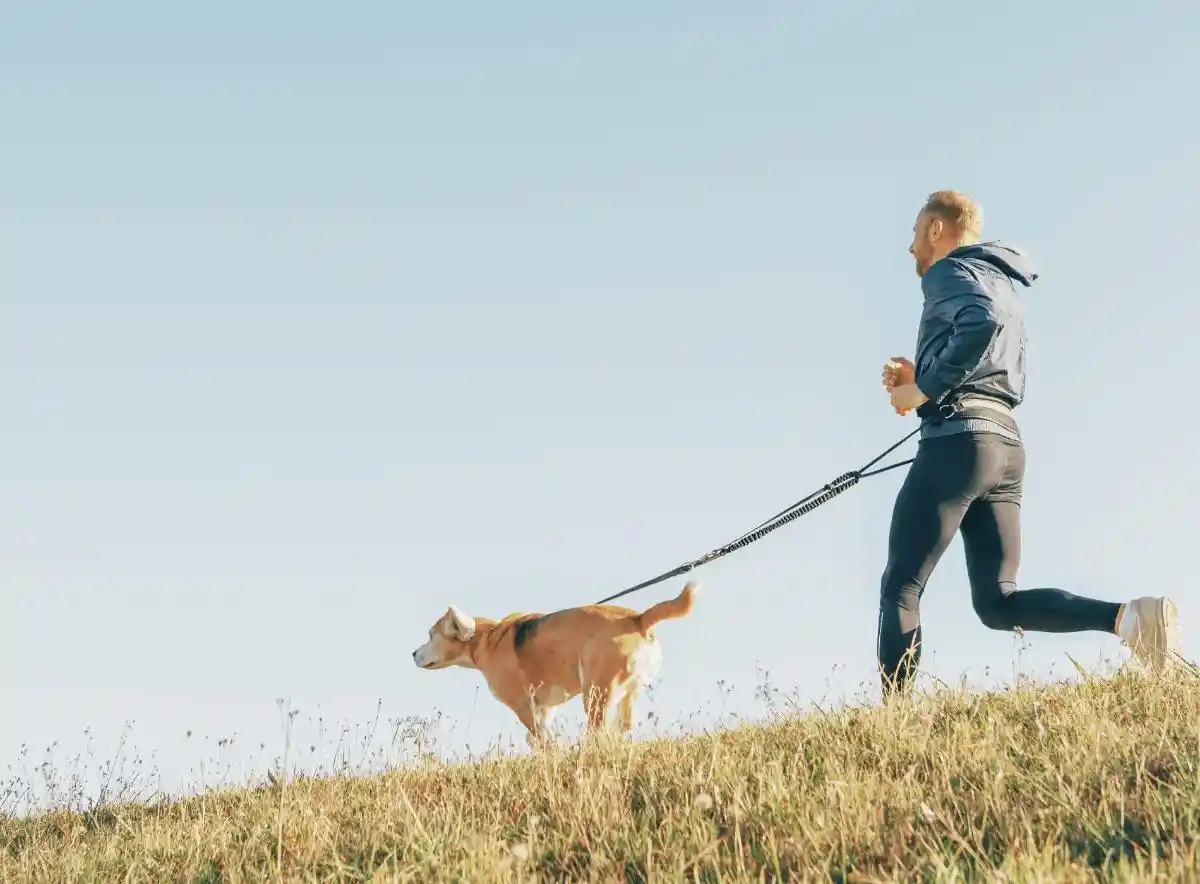
Short, frequent walks tend to work better than long ones. Swimming is an excellent option for dogs with arthritis, taking the weight off joints while keeping the body active. If your dog used to run with you and can no longer manage that pace, follow their lead rather than pushing through.
Ramps, orthopedic beds, and non-slip mats can make a real difference in how much energy a senior dog spends just navigating the house. Reducing that friction gives them more capacity for the things that matter.
Mental and emotional wellbeing
Cognitive health deserves as much attention as physical health. Puzzle feeders, gentle training sessions, sniff-focused walks, and low-stress new experiences all help keep an aging mind engaged. Scent work in particular is excellent for senior dogs: it’s mentally stimulating without being physically demanding.
Routine is your most powerful tool for emotional stability. A predictable schedule, consistent companionship, and a calm environment give a senior dog the security they need as the rest of their world becomes a little harder to navigate. If anxiety becomes significant, your vet can discuss whether behavioral support or medication might help.
Creating a home that works for an older body
Small environmental changes can have an outsized effect on quality of life. Consider:
- Soft, supportive orthopedic bedding in a warm, draft-free spot they use often
- Food and water bowls at a raised height to reduce neck strain
- Non-slip mats on hard floors where your dog walks or stands
- Ramps or pet stairs for furniture or vehicles they still want to access
- Keeping furniture arrangements consistent if vision or hearing has declined
- A litter or relief area that doesn’t require navigating stairs, for dogs with significant mobility limitations
The goal is to reduce friction in the small, daily moments (getting up, eating, moving between rooms) so your dog can spend their energy on the things that matter more.

When to bring in more support
Trust your instincts. You know your dog better than anyone. If you notice a meaningful change in behavior, appetite, mobility, or demeanor that lasts more than a few days, that’s worth a veterinary conversation.
As dogs move deeper into their senior years, some families start to notice changes that go beyond typical aging. A dog who is sleeping more than usual, withdrawing from family interaction, struggling to rise from rest, or losing interest in food may be entering a stage where comfort-focused care becomes more important than management of individual conditions.
That’s where a quality of life assessment can help. Loved’s veterinarians come to your home, observe your dog in their own environment, and give you a clear picture of where they are and what support makes sense. If you’d like to start with a self-guided evaluation, our free pet quality of life self-assessment quiz is a good first step. If you’re ready to bring in a veterinarian, you can learn more about our in-home quality of life visits here.
Senior pet care isn’t about doing everything perfectly. It’s about paying attention, staying curious, and adjusting as your dog’s needs evolve. The care you offer in these years is not a burden. It’s a continuation of everything the relationship has always been.
Common questions about caring for senior dogs
At what age is a dog considered senior?
Generally, dogs are considered senior at around seven years old, but this varies significantly by breed and size. Large and giant breeds (like Great Danes or Saint Bernards) tend to age faster and may be considered senior at five or six. Small breeds often don’t show significant aging changes until eight or nine. Your vet can give you a more specific picture based on your dog’s breed and health history.
How often should a senior dog see the vet?
Twice a year is the general recommendation for most senior dogs. Age-related conditions like kidney disease, arthritis, and cognitive decline can progress quickly, and more frequent checkups allow for earlier detection and management. Between visits, keep notes on any behavioral or physical changes. This kind of observation is genuinely useful to the vet caring for your dog.
How do I know if my senior dog is in pain?
Dogs tend to hide pain instinctively, so visible signs often indicate significant discomfort. Watch for reluctance to rise from rest, stiffness that doesn’t loosen with movement, flinching or crying when touched, changes in gait, reduced interest in activities they used to enjoy, and withdrawal from the family. Subtle behavioral shifts, like a dog who used to greet you at the door and no longer does, are also meaningful signals worth mentioning to your vet.
Should I change my senior dog’s food?
Possibly, but the right answer depends on your dog’s specific health conditions, weight, and lab work. Senior-specific formulas can be helpful, but they aren’t universally appropriate. A dog with kidney disease, for example, needs a very different diet than a healthy senior dog managing mild arthritis. Talk to your vet before switching, and bring up any changes in appetite or weight you’ve noticed.
How do I know when my senior dog’s quality of life is declining?
The clearest signal is when bad days start outnumbering good ones. A good day means your dog is comfortable enough to do at least one thing they enjoy: eating, resting in their favorite spot, engaging with a family member. A bad day means persistent discomfort, refusal of food and water, or distress that doesn’t resolve. If you’re noticing this shift, a quality of life assessment with a veterinarian who can observe your dog at home is one of the most useful steps you can take. Loved offers both a free self-assessment quiz and in-home quality of life visits.