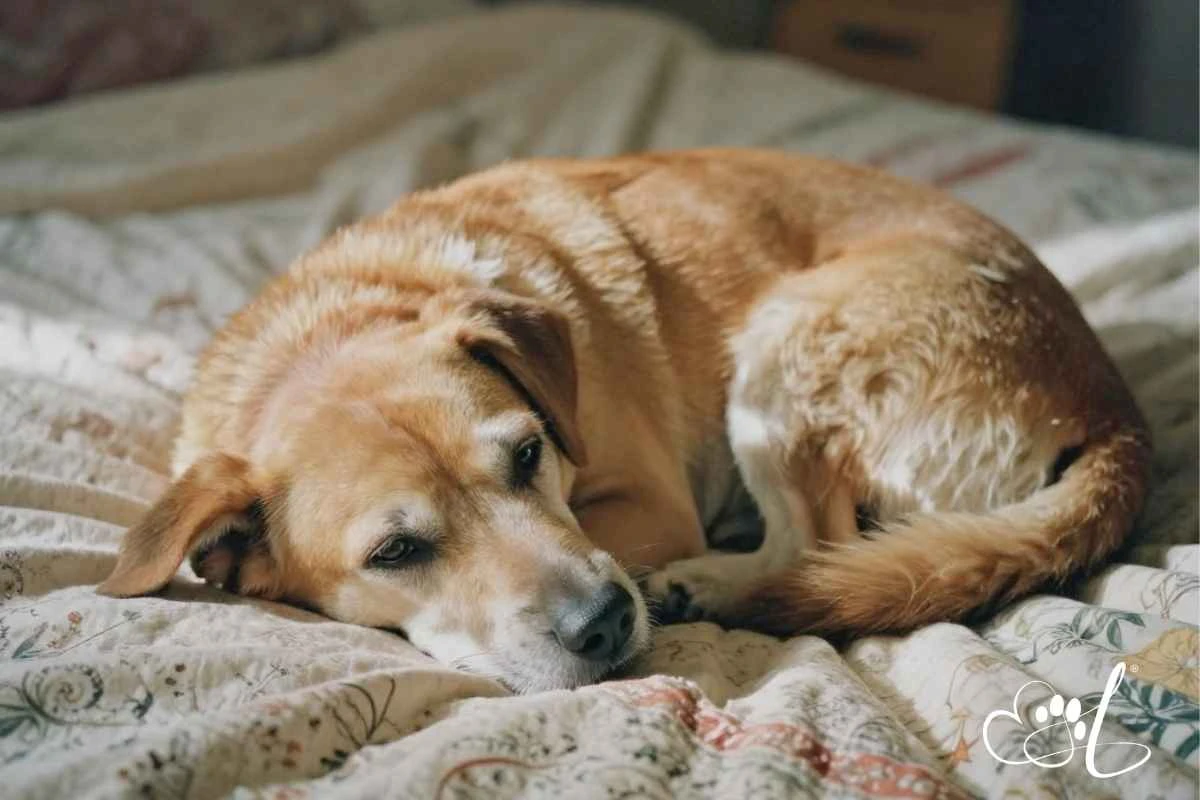
There’s a moment many pet owners recognize but rarely talk about — the moment you watch your dog hesitate at the bottom of the stairs, or notice your cat stopped jumping onto the bed they’ve slept on for years. It’s easy to chalk it up to “just getting older.” But what if small changes to your home could give them back some of that ease?
At Loved Veterinary Services, we spend a lot of time in people’s homes. It’s literally where we do our work — and because of that, we notice things. We see the tile floors that turn into skating rinks for arthritic dogs. We see the litter boxes tucked in basements that an aging cat simply can’t reach anymore. We see the couches pets have quietly stopped climbing onto, not because they don’t want to, but because it hurts too much to try.
Your home is your pet’s entire world. And with a few thoughtful adjustments, it can become a place that supports them — not one that works against them.
The Floor Beneath Their Feet
Many of the homes we visit have tile or hardwood floors — beautiful for humans, but genuinely difficult for senior pets. A dog with arthritis or early neurological changes loses traction on smooth surfaces, which forces them to compensate with every step — creating fatigue, pain, and a real risk of falls.
The fix doesn’t have to be expensive or permanent. Yoga mats, runners, and area rugs placed along the routes your pet travels most — from their bed to the water bowl, from the living room to the back door — can make an enormous difference. If you’d prefer not to cover your floors, there are other options: grippy booties designed specifically for dogs, or toe grips, which are small beads placed on the toenail to create traction from the ground up.
One often-overlooked detail: keeping nails trimmed short and the fur between paw pads shaved. Long nails change the angle at which a pet’s foot meets the floor, and fluffy paw fur on tile is essentially a built-in slip hazard. These small grooming habits have a direct impact on your pet’s stability and confidence moving through your home.
Getting Up, Getting Down, Getting Around
When a pet stops using the couch or the bed, it’s rarely because they’ve lost interest. More often, they’ve done the math — the effort and pain required to get up there isn’t worth it anymore. And that quiet withdrawal from the places they love is one of the early signs that something has shifted.
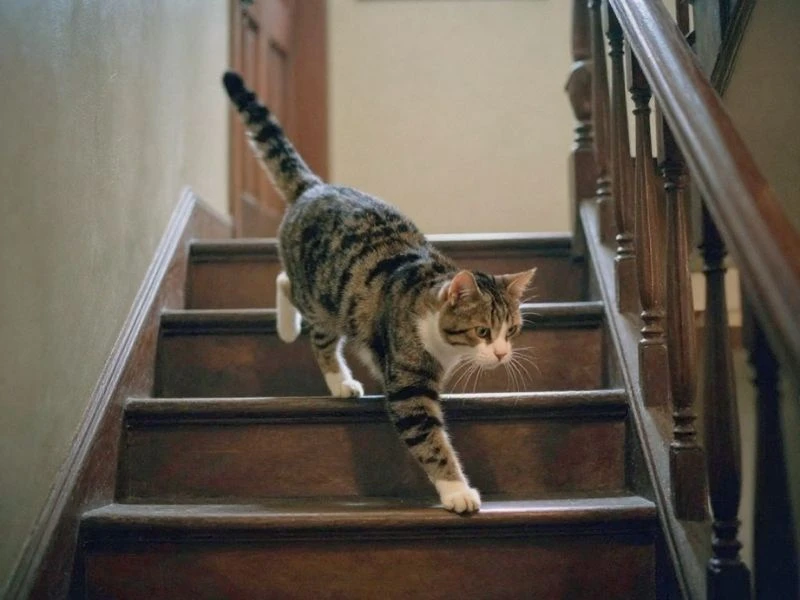
Ramps and pet stairs with non-slip surfaces can restore access to those favorite spots without requiring a painful leap. They also protect pets from the impact of jumping down — something that’s easy to underestimate, but hard on aging joints over time.
For areas of the home that pose safety risks — an open staircase, a backyard pool, uneven outdoor terrain — baby gates and portable fencing let you create a safer environment without restricting your pet’s sense of freedom more than necessary. The goal is always to preserve as much of their normal life as possible, just with guardrails.
Everything They Need, Right Where They Are
This one sounds simple, but it’s where we see some of the biggest quality-of-life gains: make sure the essentials are easy to reach.
Food and water should be at a comfortable height and close to where your pet spends most of their time. For dogs with neck or shoulder arthritis, raised bowls can reduce the strain of bending down to eat. For cats, litter box placement matters enormously — an arthritic cat asked to navigate stairs to reach their box will often just stop using it, leading to accidents that feel behavioral but are actually physical.
One box per floor, in a location that doesn’t require climbing or crouching at a difficult angle, can solve a problem that many families don’t realize is a problem at all.
The same logic applies to their bed. A thick, orthopedic sleeping surface placed somewhere warm, quiet, and easy to access isn’t a luxury for a senior pet — it’s a genuine medical support.
When Home Adjustments Aren’t Enough
The changes above can meaningfully improve your pet’s daily comfort and slow the progression of some mobility challenges. But they work best alongside a conversation with your veterinarian — one that might include pain management, joint supplements, weight management, or other holistic therapies tailored specifically to your pet.
At Loved, we meet families right where they are — in their homes, in the middle of some of the most tender chapters of a pet’s life. We offer quality-of-life assessments that help you understand what your pet is experiencing, what’s within your control to improve, and when it may be time for a deeper conversation about their care.
If you’ve noticed changes in how your pet moves through your home, trust that instinct. You know your pet better than anyone — and noticing is always the right first step.
Loved Veterinary Services provides compassionate in-home veterinary care for pets and families in Polk County/Lakeland FL, Tampa FL, and Houston TX. To schedule a quality-of-life assessment or learn more about our services, visit loved.vet or reach out to our team directly.